Frequently Asked Questions
Do it yourself pest control McKinney TX?
Do it yourself pest control in McKinney, TX, can be effective for minor infestations using over-the-counter products, but professional services from All American Pest Management ensure comprehensive and eco-friendly solutions for persistent issues.
What are the benefits of DIY pest control?
The benefits of DIY pest control include cost savings, immediate action, and the ability to customize solutions based on specific pest issues. Additionally, it allows homeowners to use eco-friendly methods that align with their values.
How can I identify pests in my home?
Identifying pests in your home involves looking for signs such as droppings, gnaw marks, or nests, as well as noticing unusual sounds or odors. Regular inspections can help catch infestations early.
What eco-friendly pest control options exist?
Eco-friendly pest control options include natural repellents, biological pest control using beneficial insects, and integrated pest management practices that minimize chemical use while effectively managing pest populations.
How effective is DIY pest control?
The effectiveness of DIY pest control varies based on the pest type and treatment method. While some homeowners may achieve temporary relief, professional pest control services often provide more comprehensive and lasting solutions.
What supplies are needed for DIY pest control?
The supplies needed for DIY pest control include eco-friendly insecticides, traps, protective gear, and cleaning materials to eliminate food sources and nesting areas. Always ensure to follow safety instructions for effective pest management.
Can I treat termites myself safely?
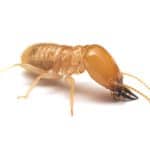
Treating termites yourself safely is challenging. While some DIY methods exist, they often lack effectiveness and can pose risks. It's best to consult professionals like All American Pest Management for safe and reliable termite control solutions.
How often should pest control be performed?
The frequency of pest control should be determined based on the specific pest issues and property conditions. Generally, it is recommended to schedule treatments every 1 to 3 months for optimal protection and prevention.
What pests can I eliminate myself?
You can eliminate common pests such as ants, spiders, and cockroaches yourself using over-the-counter insecticides, traps, and preventive measures like sealing entry points. For more severe infestations, professional help is recommended.
Are there risks with DIY pest control?
The risks with DIY pest control include potential exposure to harmful chemicals, improper application leading to ineffective results, and the possibility of worsening the infestation. Professional services ensure safety and effective management of pest issues.
How to prevent pests from entering my home?
Preventing pests from entering your home involves sealing cracks, keeping doors and windows closed, and maintaining a clean environment. Regularly inspect and eliminate sources of food and water to deter unwanted intruders.
What natural repellents work against pests?
Natural repellents effective against pests include essential oils like peppermint, citronella, and eucalyptus, as well as vinegar and diatomaceous earth. These options can deter insects without harmful chemicals, making them ideal for eco-friendly pest management.
How can I find pest control tips online?
Finding pest control tips online is easy; you can visit reputable websites, blogs, or forums dedicated to pest management. Look for eco-friendly resources and expert advice to ensure effective and safe pest control solutions.
What are common pests in McKinney, TX?
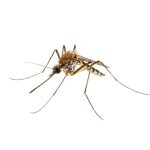
Common pests in McKinney, TX, include termites, mosquitoes, ants, cockroaches, and rodents. These pests can affect both residential and commercial properties, making effective pest management essential for maintaining a pest-free environment.
How to recognize a pest infestation early?
Recognizing a pest infestation early involves looking for signs such as droppings, unusual noises, gnaw marks, and damaged materials. Additionally, be alert for nests or live pests in your home or business premises.
Is professional pest control worth it?
The value of professional pest control is significant. It offers effective, eco-friendly solutions that ensure long-term pest management, protecting your home or business from infestations and potential damage.
What to do after pest treatment at home?
After pest treatment at home, it's important to follow specific guidelines. Keep the treated areas clear for at least 24 hours and avoid cleaning surfaces to allow the treatment to work effectively.
How do pest control companies operate?
Pest control companies operate by assessing properties for pest infestations, developing tailored treatment plans, and applying eco-friendly solutions to eliminate pests while preventing future occurrences. They also provide ongoing monitoring and support to ensure effective pest management.
What signs indicate a pest problem?
Signs that indicate a pest problem include droppings, gnaw marks, nests, unusual noises, and visible damage to property. Additionally, if you notice a sudden increase in insects or rodents, it may signal an infestation.
How to safely store pest control products?
The safe storage of pest control products involves keeping them in their original containers, away from children and pets, in a cool, dry place. Ensure that they are tightly sealed and clearly labeled to prevent accidental exposure.
What are the costs of pest control services?
The costs of pest control services vary based on the type of pest, the size of the property, and the treatment plan. For a precise estimate, it's best to contact All American Pest Management for a consultation tailored to your needs.
How to choose a pest control service?
Choosing a pest control service involves evaluating their eco-friendly practices, expertise in handling specific pests, customer reviews, and service guarantees. Ensure they are licensed and insured to provide reliable and safe pest management solutions.
What types of pest control methods are there?
The types of pest control methods include chemical treatments, biological controls, and eco-friendly solutions. Each method targets specific pests while considering safety for humans and the environment, ensuring effective management of pest issues.
When is the best time for pest control?
The best time for pest control is typically during spring and fall when pests are most active and seeking shelter. Regular treatments during these seasons can effectively prevent infestations and protect your home or business.
What should I ask my pest control technician?
When speaking with your pest control technician, it's important to ask about their treatment methods, the safety of the products used, how long the treatment will last, and what preventive measures you can take to avoid future infestations.
How to prepare my home for pest control?
Preparing your home for pest control involves clearing areas around the home, securing food, and removing pets during the treatment. Ensure that all surfaces are accessible for the technicians to maximize the effectiveness of the service.
What are the most common pest complaints?
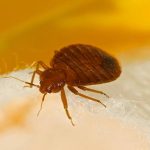
The most common pest complaints include issues with ants, termites, rodents, mosquitoes, and bed bugs. Homeowners and businesses often seek solutions for infestations that can cause damage or health concerns.
Why are eco-friendly solutions important for pest control?
Eco-friendly solutions are important for pest control because they minimize harm to the environment, protect human health, and promote sustainable practices. These methods effectively manage pests while reducing the use of harmful chemicals, ensuring a safer living and working space.
How long do pest control treatments last?
The duration of pest control treatments varies based on the type of pest and the treatment method used. Generally, most treatments can last from a few weeks to several months, ensuring effective pest management.
What does pest control maintenance involve?
Pest control maintenance involves regular inspections and treatments to prevent pest infestations, ensuring both residential and commercial properties remain pest-free. This proactive approach includes monitoring, identifying potential issues, and applying eco-friendly solutions as needed.